
Concrete Testing Instruments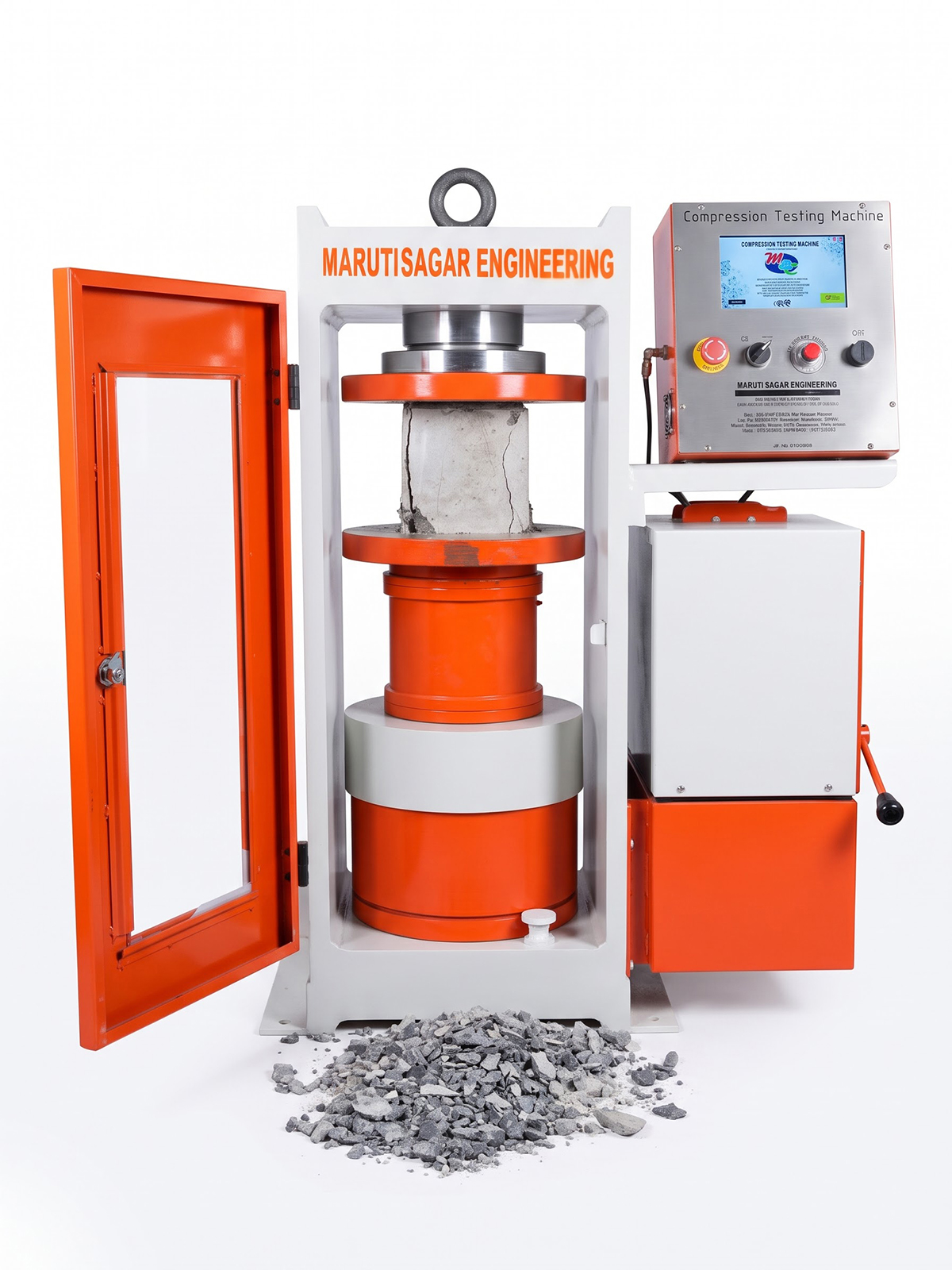
Compression Testing Machine Digital 2000kn
- Product Model:Digital Compression Testing Machine (Manual Pace Control)
- Capacity:2000 kN
View Details
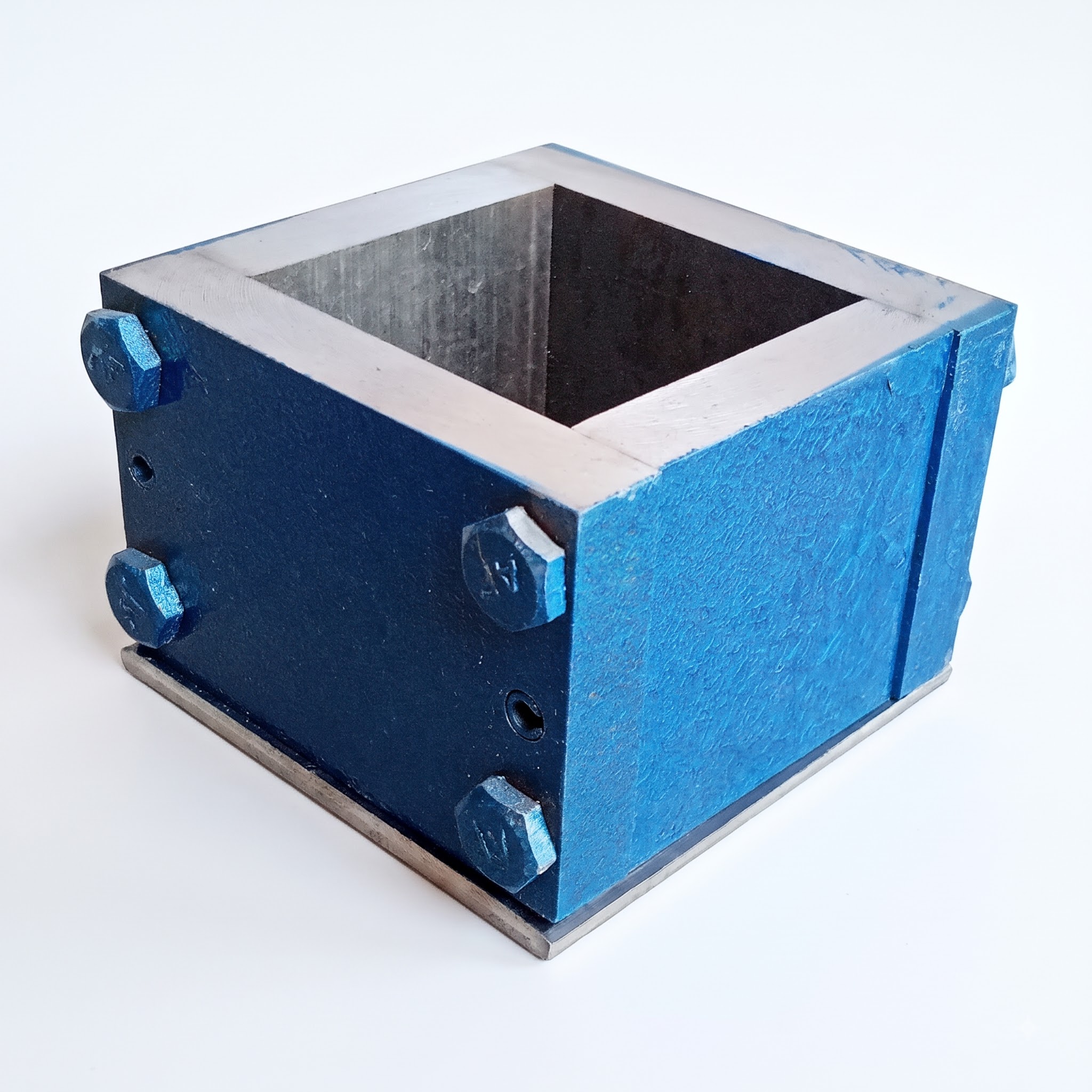
The 50 mm Cast Iron Cube Mould is engineered for casting three-dimensional miniature mortar cubes used in chemical cements, grouts, polymer mortars, and high-precision laboratory paste evaluations. Manufactured from dense, fine-grain cast iron, it maintains exceptional structural rigidity under laboratory compaction rods and high-energy vibrating tables.
The machined modular sections feature interlocked joints that clamp flush against a thick cast base plate, preventing loss of mixing water or fine cement paste. Its fine-machined interior surfaces ensure flat, orthogonal specimen faces, eliminating the need for capping before testing under low- to medium-capacity compression test machines.
Bulk pricing available
| Technical Specifications | |
|---|---|
| Product Type | Micro-Mortar & Grout Cube Test Mould |
| Specimen Dimensions | 50 × 50 × 50 mm (2-inch cube equivalent) |
| Material of Construction | High-grade cast iron (CI) |
| Structural Design | Precision-machined split walls with solid base plate |
| Clamping Mechanism | Dual-side clamp bolts with alignment dowels |
| Internal Surface Finish | Mirror/fine-milled surfaces for low-friction release |
| Application | Strength testing of hydraulic cement, grouts, and repair mortars |
| Standard Compliance | ASTM C109/C109M, IS: 10086, EN 196-1, BS 4550 |
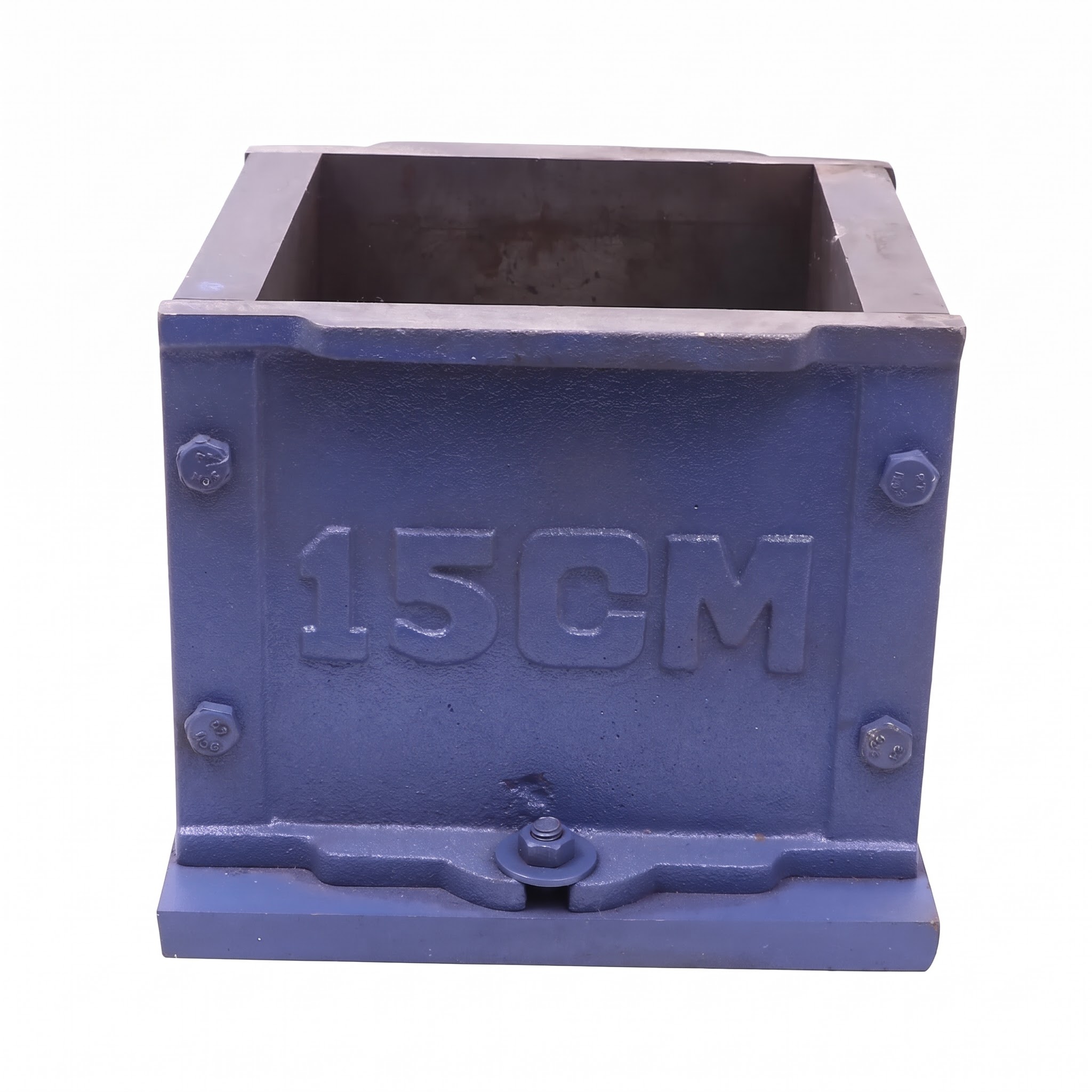
Essential technical, operational, and standard compliance answers for the Cube Mould 50 x 50 x 50mm ci casting.
The Cube Mould 50 x 50 x 50mm ci casting is precision-manufactured with true internal dimensions 50 × 50 × 50 mm (2-inch cube equivalent). It is fabricated from High-grade cast iron (CI) to ensure dimensional stability and zero flexure during compaction.
This mould strictly satisfies ASTM C109/C109M, IS: 10086, EN 196-1, BS 4550, including IS: 10086 and IS: 516 specifications for concrete and mortar specimen casting moulds.
The machined cast iron construction provides maximum rigidity, perfectly planar perpendicular faces (within ±0.2 mm), and a bolted base plate that prevents slurry leakage during vibration.
Coat internal surfaces with a thin film of non-reactive mould release oil before casting. Compact fresh concrete in layers using a tamping rod or vibrating table. Cure in a moist room for 24 hours before stripping the mould.
Clean all internal surfaces immediately after demoulding with a soft brass wire brush or cloth. Keep joint faces free of dry slurry buildup and apply a protective oil coat to prevent oxidation on metal surfaces.
Yes, Maruti Sagar Engineering supplies moulds in individual and bulk batch lots to commercial testing labs, ready-mix concrete (RMC) plants, and infrastructure contractors across India with warranty coverage and dimensional inspection test certificates.
We stock tripods, leveling staffs, and protective cases for all our surveying instruments.