Soil Testing Instruments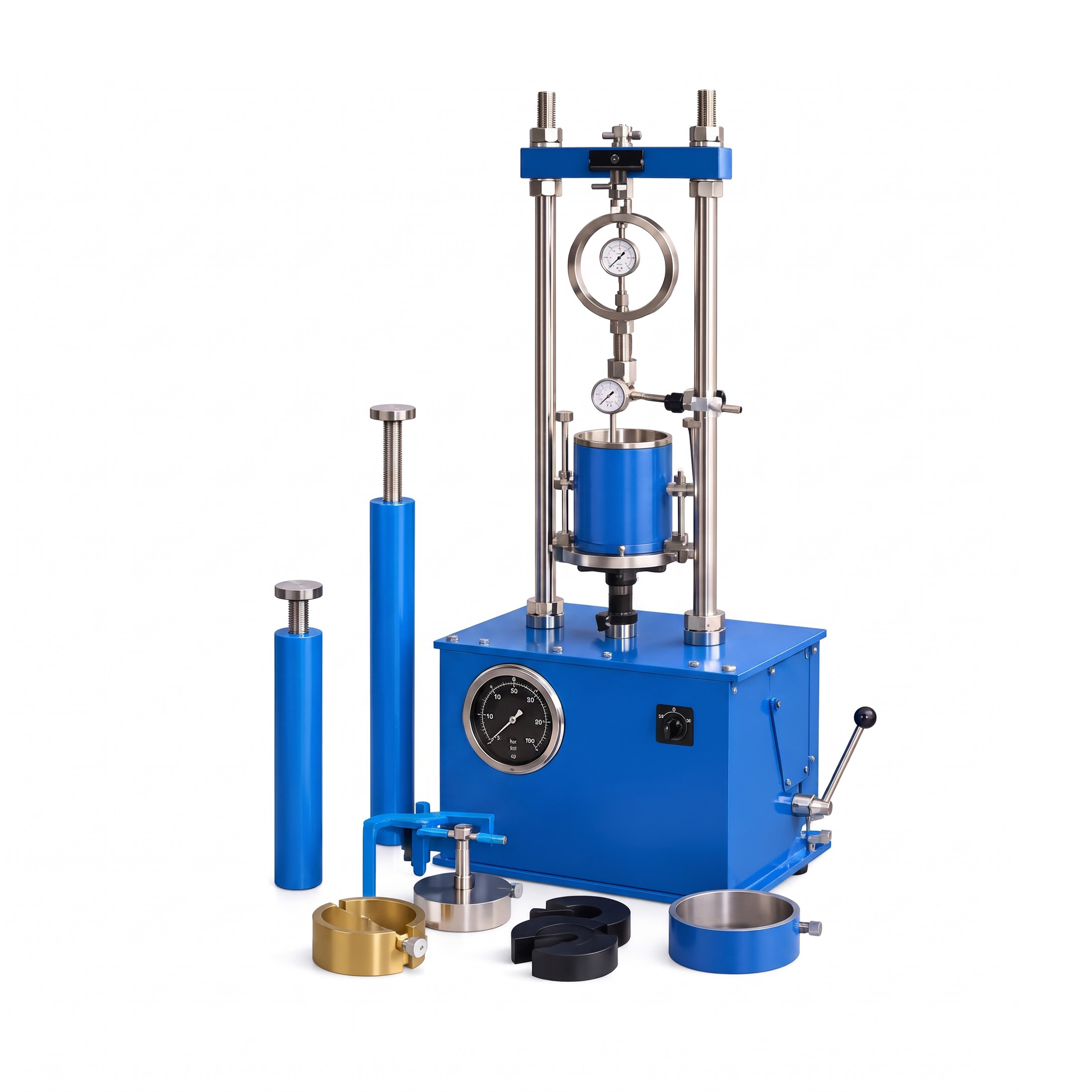
C.B.R. Test Apparatus
- Product Type:C.B.R. Test Apparatus
- Full Form:California Bearing Ratio Test Apparatus
View Details
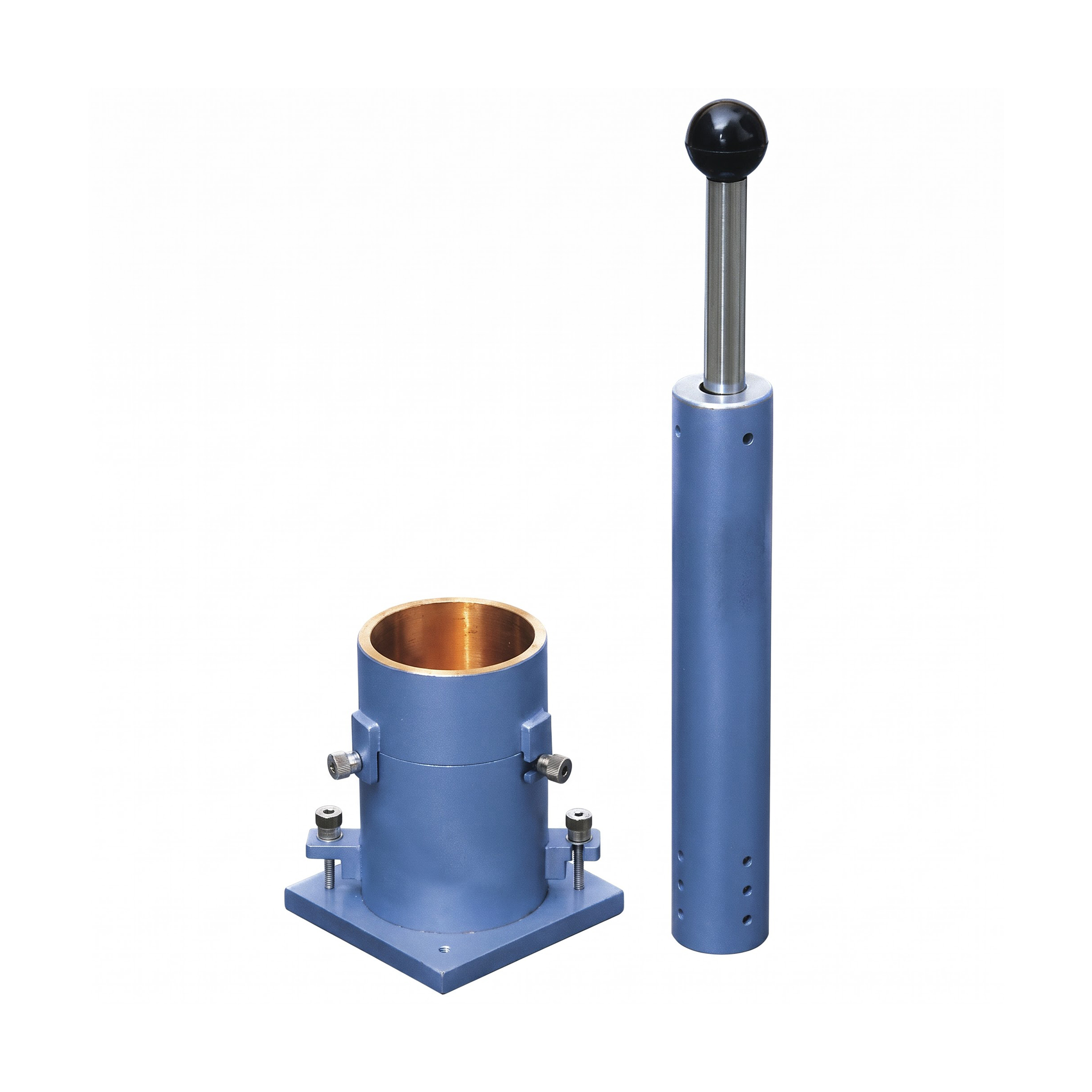
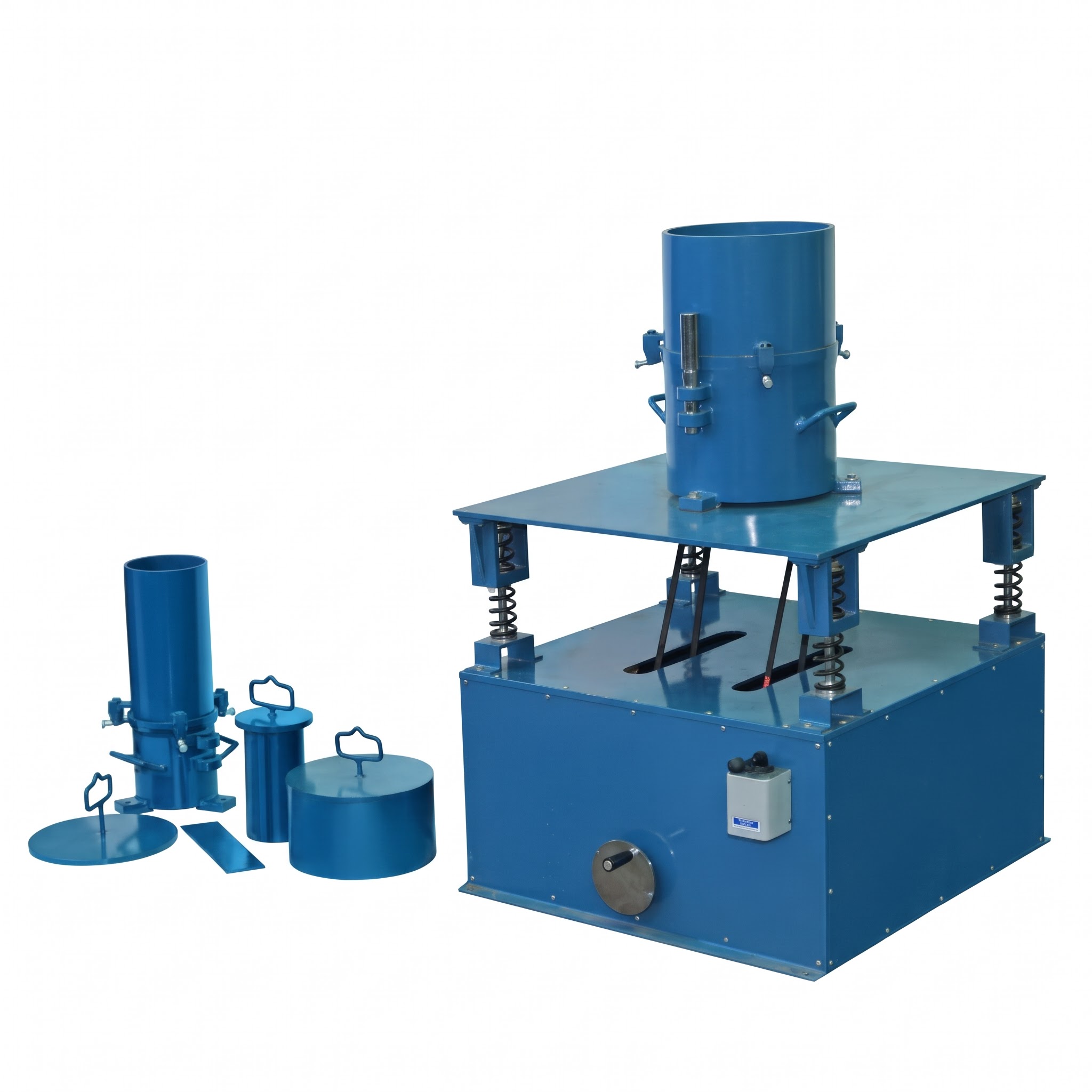
The Proctor Compaction Test Apparatus is a precision laboratory soil testing instrument engineered to establish the relationship between moisture content and dry density in soil samples. It provides critical measurements for determining Maximum Dry Density (MDD) and Optimum Moisture Content (OMC), essential parameters for evaluating soil stability in road construction, embankments, foundations, and civil engineering infrastructure.
Features versatile testing support accommodating both standard and modified Proctor compaction methodologies. Cylindrical moulds are precision-crafted from corrosion-resistant gunmetal or heavy-duty plated mild steel, paired with standardized free-fall rammers with drop guides for uniform sample preparation.
Bulk pricing available
| Technical Specifications | |
|---|---|
| Product Type | Proctor Compaction Test Apparatus |
| Primary Application | Determination of Maximum Dry Density (MDD) and Optimum Moisture Content (OMC) |
| Testing Method | Standard and Modified Proctor Compaction |
| Standard Mould Volume | 1000 cm³ |
| Standard Mould Dimensions | 100 mm internal diameter × 127.3 mm height |
| Modified Mould Volume | 2250 cm³ |
| Modified Mould Dimensions | 150 mm internal diameter × 127.3 mm height |
| Standard Rammer Mass | 2.6 kg (Drop Height: 310 mm) |
| Modified Rammer Mass | 4.89 kg (Drop Height: 450 mm) |
| Mould Construction | Corrosion-resistant gunmetal or plated mild steel |
| Extension Collar & Base Plate | Removable collar with heavy-duty steel base plate |
| Applicable Standards | IS 2720 (Part 7 & 8), ASTM D698, ASTM D1557 |
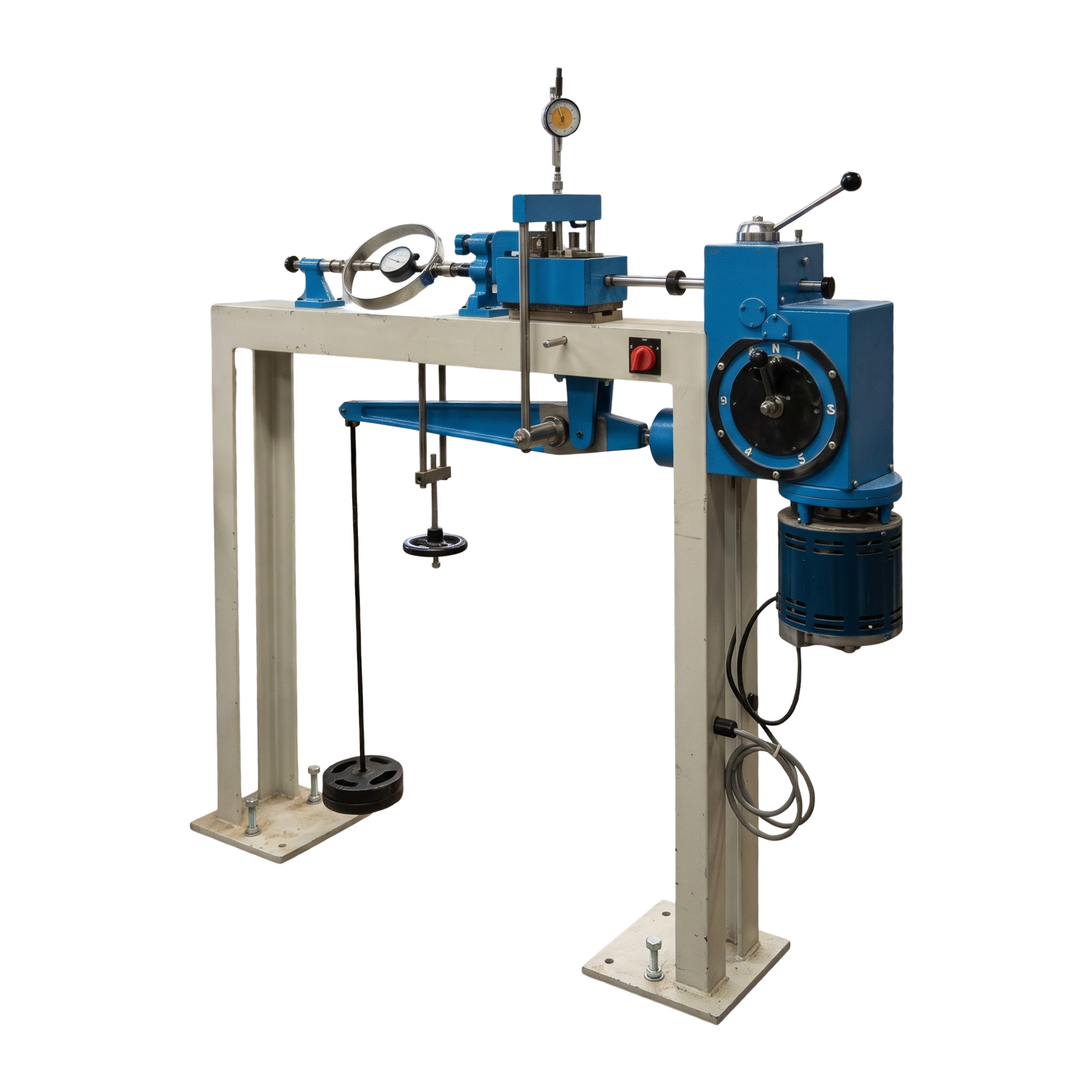
Essential technical, operational, and standard compliance answers for the Proctor Compaction Test Apparatus.
It is used to determine the exact relationship between soil moisture content and dry density, helping engineers establish Maximum Dry Density (MDD) and Optimum Moisture Content (OMC).
Maximum Dry Density is the peak dry density achievable for a specific soil type under defined, standardized compaction energy.
Optimum Moisture Content is the exact percentage of water by weight at which a given soil achieves its Maximum Dry Density under specified compaction conditions.
Standard Proctor uses a 2.6 kg rammer with a 310 mm drop height, while Modified Proctor uses a heavier 4.89 kg rammer with a 450 mm drop height simulating heavier civil compaction forces.
Standard Mould has a 1000 cm³ capacity, and Modified Mould has a 2250 cm³ capacity.
This apparatus complies with IS 2720 (Part 7 & 8), ASTM D698, and ASTM D1557.
We stock tripods, leveling staffs, and protective cases for all our surveying instruments.